
Shipping goods from China to Russia involves more than choosing a transportation route and arranging cargo pickup. Even when a shipment leaves the supplier's warehouse on schedule, customs clearance issues can affect delivery times, increase logistics costs, and disrupt business operations.
For Russian importers, a delayed shipment can lead to additional storage expenses, inventory shortages, interrupted production, and missed delivery deadlines. Understanding the causes of customs delays and preparing for potential problems in advance can help businesses manage international shipments more efficiently.
This guide explores the main reasons shipments from China to Russia may be delayed at customs and explains practical ways to reduce avoidable risks.
Customs clearance involves verifying shipment information, reviewing supporting documents, and ensuring that imported goods comply with applicable regulations. The time required depends on the type of cargo, the accuracy of the documentation, the applicable procedures, and whether additional inspections are necessary.
The most common causes of customs delays include documentation errors, incorrect product classification, questions about customs value, missing regulatory documents, and congestion at border crossings or terminals.
Incorrect or inconsistent documentation is a common source of customs clearance problems. Differences between the commercial invoice, packing list, transport documents, and actual cargo information may lead to requests for clarification or document amendments.
For example, the declared quantity may not match the packing list, the product description may be too general, or the stated weight may differ from the actual shipment details.
Before dispatch, importers should check the following documents and information:
Commercial invoice with accurate product descriptions, quantities, prices, and transaction details.
Packing list showing the number of packages, weight, and packaging information.
Transport documents containing correct information about the shipper, consignee, cargo, and route.
Sales contract and supporting records that reflect the actual transaction.
Product-specific documents required for the particular goods.
All relevant information should be consistent across the documents. Reviewing these details before the cargo leaves China is generally easier than correcting errors after it reaches a border crossing or customs terminal.
Goods imported into Russia are classified under the Eurasian Economic Union's Foreign Economic Activity Commodity Nomenclature, commonly known as the EAEU TN VED.
The classification affects applicable customs duties, regulatory requirements, and other import procedures. Problems can arise when an importer selects a code based only on a general product name without considering its composition, function, technical characteristics, or intended use.
For example, different types of machinery, electronic devices, and industrial components may require different classifications even when their commercial descriptions appear similar.
To reduce this risk, importers should prepare detailed product descriptions, manufacturer information, technical specifications, and relevant product documentation before shipment. When classification is unclear, consulting a qualified customs specialist can help prevent avoidable errors.
Choosing a code solely because it appears to offer a lower duty rate can create greater financial and compliance risks later.
Customs value is an important factor in calculating import duties and taxes. If the declared value is inconsistent with supporting documents or requires further verification, additional information may be requested.
Potential issues include discrepancies between the commercial invoice and sales contract, insufficient evidence of the transaction, or unclear information about the relevant commercial terms and costs.
Depending on the circumstances, supporting materials may include the foreign trade contract, commercial invoices, available payment records, product specifications, and documents relating to freight or insurance costs where required.
All documentation should accurately reflect the actual transaction and applicable valuation rules. Undervaluing goods is not a reliable way to reduce shipping costs or accelerate customs clearance. It may lead to additional scrutiny, reassessment of customs value, and potential financial or legal consequences.
Certain products imported into Russia are subject to technical regulations, conformity assessment, labeling requirements, or other regulatory measures.
Depending on the product category and applicable legislation, importers may need an EAC certificate of conformity, a declaration of conformity, or other supporting documents under the relevant Eurasian Economic Union or Russian regulations.
Requirements vary according to the product's characteristics, intended use, classification, and applicable rules. Not every product requires the same certificates.
To avoid preventable problems, businesses should confirm the applicable requirements before dispatch, verify that the relevant documents cover the actual products, and check mandatory labeling requirements where applicable.
For regulated goods, these matters should be clarified before the supplier releases the cargo for transportation.
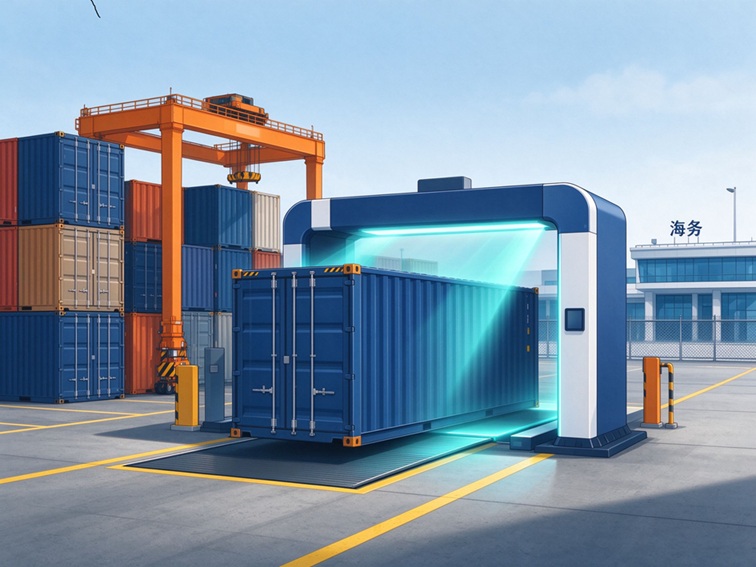
Even when documentation is complete and accurate, a shipment may be selected for additional customs control.
Depending on the circumstances, the authorities may request further information, examine the cargo, use scanning equipment, or conduct a physical inspection. These procedures can require additional time, particularly when packages need to be opened or the actual cargo must be compared with the declared information.
Importers can help facilitate the process by providing accurate product descriptions, detailed packing lists, appropriate labeling, and accessible technical documentation.
However, additional inspections cannot always be prevented. The relevant authorities determine the scope of customs control, and no logistics provider can guarantee that a shipment will be released without further checks.
Not every delay reported as a customs problem is caused directly by customs clearance.
Shipments traveling from China to Russia may pass through border crossings, railway terminals, transshipment facilities, and transit points. The total delivery time can be affected by infrastructure capacity, queues, transport schedules, and cargo-handling operations.
For rail freight, additional time may be required for terminal processing, container transfers, or changes in rail gauge, depending on the route. For road freight, border queues, transit formalities, and transport availability can influence the schedule.
Identifying the actual source of a delay is essential. A documentation problem requires a different response from a delay caused by terminal congestion or transport scheduling.
Although international logistics always involves some uncertainty, careful preparation can reduce the risk of delays caused by preventable documentation and coordination issues.

Review the commercial invoice, packing list, transport documents, and relevant transaction records before the cargo leaves China.
Check product descriptions, quantities, weights, values, and information about the shipper and consignee. For shipments containing multiple product categories, prepare a clear specification that identifies each item.
Resolving discrepancies before dispatch can reduce the likelihood of requests for clarification during customs processing.
Confirm the applicable EAEU TN VED classification, customs duty requirements, and any necessary permits or conformity documents.
For regulated products, clarify technical regulations, certification requirements, and mandatory labeling before the shipment is released.
This preparation is particularly important for machinery, electronics, and other goods subject to specific import requirements.
The best route depends on the cargo type, shipment volume, destination, delivery schedule, border crossings, and terminal operations.
Road freight may suit shipments requiring flexible routing or direct delivery to a consignee. Rail freight may be appropriate for particular cargo volumes, destinations, and scheduling requirements.
The choice should be based on the actual shipment rather than the assumption that one transportation mode is always faster or cheaper. Importers should also consider transit procedures, potential transshipment operations, and final delivery arrangements.
Even well-prepared shipments may encounter additional inspections, border congestion, or changes in transport schedules.
Businesses shipping goods for production, seasonal sales, or customer orders should include a reasonable time buffer in their delivery plans.
Relying exclusively on the shortest advertised transit time can create unnecessary pressure when unexpected events affect the schedule. A realistic plan should account for transportation, terminal handling, and applicable customs procedures.

International freight transportation involves coordination between suppliers, importers, carriers, customs representatives, and terminal operators.
A logistics partner can help coordinate shipment information, review documentation, plan transportation arrangements, and communicate updates as the cargo moves along the route.
Before dispatch, clarify who is responsible for preparing documents, arranging customs representation, managing transit procedures, and communicating with the consignee.
Customs decisions remain with the relevant authorities, and a transportation company cannot guarantee clearance within a specific period.
When a shipment misses its expected delivery date, the priority is to establish its current location and identify the reason for the delay.
Follow these steps to understand the situation and determine the appropriate response.
Confirm the cargo's current status. Find out whether the shipment is awaiting customs clearance, undergoing inspection, being held at a temporary storage facility, or delayed during transportation or terminal handling.
Request a specific explanation. Determine whether additional documents are required, product information needs clarification, an inspection is underway, or the delay is related to transit or terminal operations.
Prepare the required information. Coordinate with the supplier, importer, and customs representative to determine which documents must be provided and who is responsible for preparing them.
Review potential additional costs. Depending on the circumstances and contractual terms, storage, vehicle waiting, or additional handling charges may apply. Confirm the applicable terms with the relevant service providers.
Update the delivery schedule. Once the cause becomes clearer, revise the estimated delivery date and inform any parties relying on the shipment.
A clear understanding of the problem makes it easier to choose the appropriate next step and avoid unnecessary expenses.
Successful international transportation requires more than moving cargo from one location to another. It also depends on accurate shipment information, suitable route planning, and coordination across the logistics process.
Dear-Railway Transport provides international freight transportation services between China and Russia. When planning a shipment, businesses should consider the cargo's characteristics, transportation route, documentation requirements, and responsibilities throughout the delivery process.
Careful preparation before dispatch can help identify potential logistical issues and reduce avoidable risks. Clear communication between the supplier, importer, and logistics provider also helps businesses respond more effectively when unexpected problems arise.
If your company is planning to transport commercial goods from China to Russia, contact Dear-Railway Transport to discuss your cargo requirements and available transportation options.
Visit our website to learn more about our services and request a shipping quotation.
https://www.dearrailwaytransport.com/
Customs delays affecting shipments from China to Russia can result from documentation errors, incorrect product classification, questions about customs value, missing regulatory documents, additional inspections, or congestion at border and terminal facilities.
Although some delays are outside an importer's control, many preventable issues can be addressed before the cargo leaves China.
Accurate documentation, early verification of product requirements, appropriate route selection, and effective coordination with logistics professionals can help reduce avoidable problems and improve shipment planning.
The most effective way to manage customs-related risks is to prepare before dispatch rather than wait until a shipment has been delayed.

 IPv6 NETZWERK UNTERSTÜTZT