Wie Stauholz Transportschäden löst
Im internationalen Schiffsverkehr ist der Schutz von Fracht vor Verrutschen und Stößen eine ständige Herausforderung. Stauholz – die speziellen Verpackungs- und Sicherungsmaterialien zur Stabilisierung der Ladung – spielt dabei eine entscheidende Rolle. Stauholzmaterialien (von Holzklötzen und Luftpolstersäcken bis hin zu Luftpolsterfolie und Schaumstoff) füllen Hohlräume in Containern, Lkw und Waggons, um die Fracht zu sichern. Durch den sachgemäßen Einsatz von Stauholz können Unternehmen Transportschäden deutlich reduzieren. Branchenkenner bestätigen, dass ordnungsgemäß gesicherte Fracht ein wesentlich geringeres Bruchrisiko während des Transports aufweist. Beispielsweise sinken Unfälle und Verluste erheblich, wenn Waren fest gepolstert und verkeilt werden. Dieser Artikel erklärt, was Stauholz ist, warum es so wichtig ist, welche Arten von Stauholz es gibt und wie man das richtige Stauholz auswählt, damit die Waren sicher ankommen.
Was ist Stauholz?
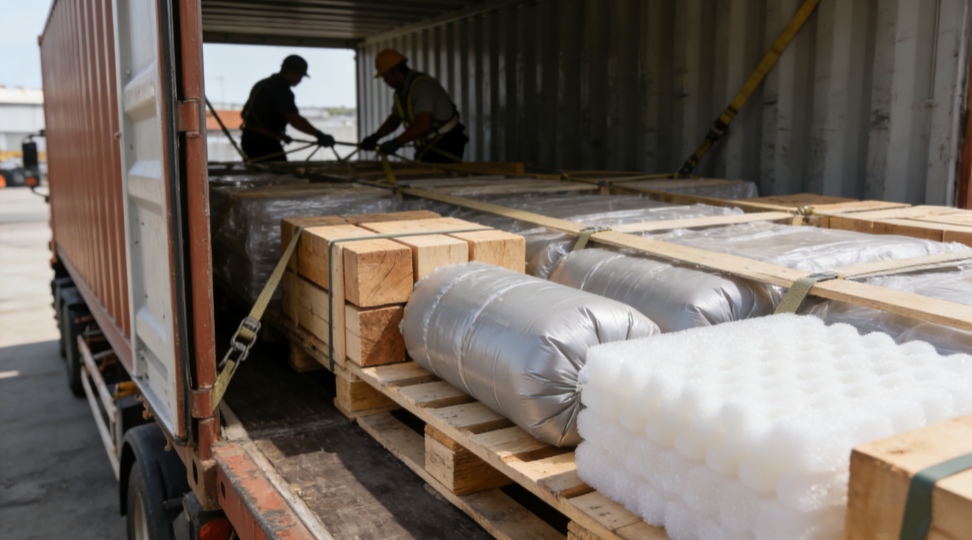
Der Begriff Stauholz bezeichnet jegliches Material, das zum Stützen, Schützen oder Sichern von Ladung während des Transports verwendet wird. In der Praxis umfasst Stauholz beispielsweise Holzbalken oder -klötze, aufblasbare Airbags, geformte Kunststoffeinsätze, Schaumstoffpolster, Luftpolsterfolie, Kraftpapier und vieles mehr. Im Wesentlichen füllt Stauholz Hohlräume und federt die auf die Güter wirkenden Kräfte ab, sodass die Ladung selbst nicht verrutscht oder beschädigt wird. Inbound Logistics definiert Stauholz beispielsweise als „jedes Material, das verwendet wird, um Ladung zu stützen oder anzuheben und sie so vor Beschädigungen während des Transports zu schützen“. Diese Materialien bilden einen stabilen Puffer: So können beispielsweise Holzbretter schwere Maschinen von der Ladefläche eines Anhängers anheben (und so den Zugang mit einem Gabelstapler ermöglichen), während Luftpolsterfolie oder Airbags in einer Kiste empfindliche Gegenstände polstern.
Warum Stauholz in der Schifffahrt wichtig ist
Die richtige Ladungssicherung ist entscheidend, da selbst geringfügige Verschiebungen der Ladung schwere Schäden verursachen können. Während des Transports (auf der Straße, dem Seeweg oder der Schiene) kann Fracht starken Vibrationen, plötzlichen Stopps oder unsachgemäßer Behandlung ausgesetzt sein. Ladungssicherung verhindert Bewegungen und absorbiert Stöße, wodurch die Güter geschützt werden. Ein Logistikexperte formuliert es so: Ladungssicherung „verhindert das Verrutschen von Gegenständen und hilft, Stöße zu absorbieren“ während des Transports. Diese Stoßdämpfung verhindert, dass zerbrechliche oder lose Produkte zusammenstoßen oder herunterfallen, wodurch Bruchschäden deutlich reduziert werden. In der Praxis füllen Unternehmen Hohlräume zwischen den Ladungen mit Ladungssicherung, um die Sendung zu fixieren.
Zum Vergleich: Branchenzahlen zeigen, dass jährlich Hunderte Millionen Container transportiert werden und die Kosten für Ladungsverluste jährlich 50 Milliarden US-Dollar übersteigen können. Unzureichende Ladungssicherung (fehlendes Stauholz oder mangelhafte Beladung) ist für einen Großteil dieser Verluste verantwortlich – rund 65 % der Schäden gehen auf falsche Ladungssicherung oder Beladung zurück. Die folgende Tabelle veranschaulicht diese Zahlen:
| Metrisch | Wert |
|---|---|
| Jährlich werden weltweit Container bewegt. | > 802 Millionen |
| Jährlicher globaler Frachtverlust (USD) | > 50 Milliarden US-Dollar |
| Schäden durch mangelhafte Sicherung | 65% |
| Schadensquote des Transportunternehmens (Sendungen) | 1–3 % |
Die meisten Sendungen kommen unbeschädigt an (die Branche schätzt die Schadensquote der Spediteure auf etwa 1–3 %), doch selbst wenige Prozent bedeuten enorme Verluste. Stauholz löst viele dieser Probleme: In der Praxis füllen Unternehmen alle Hohlräume mit Stauholz (Holzbalken, Paletten, Schaumstoff oder Airbags), um die Ladung zu sichern. Dadurch bleiben die Güter an Ort und Stelle und sind gut geschützt, was Bruchschäden und sonstige Schäden deutlich reduziert.
Arten von Staumaterialien
Es gibt viele Arten von Stauholz, die je nach Ladung und Transportart ausgewählt werden. Gängige Beispiele sind:
Holzunterlagen (Balken, Blöcke, Bretter): Robuste Hartholz- oder Weichholzbretter (z. B. 2×4, 4×4, 4×6, bis zu 2,4 m lang) werden unter schweren Paletten oder Stahlcoils verwendet. Holzunterlagen sind im Flachbetttransport üblich und dienen als stabile Basis oder heben die Ladung für den Gabelstaplerzugang an. Auf offenen Ladeflächen heben Holzbretter die Ladung vom Anhängerboden ab, um das Beladen mit Kran oder Gabelstapler zu erleichtern. Abgeschrägte Holzklötze verhindern zudem das Wegrollen zylindrischer Ladungen.
Kunststoff-Staubpolster und Airbags: Hochdichte Kunststoffmaterialien (wie Formpaletten oder -kisten) sind im Lebensmittel- und Getränketransport weit verbreitet. Eine weitere Variante sind aufblasbare Stausäcke – robuste Vinyl- oder Polyethylensäcke, die zwischen Paletten oder Ladung platziert werden. Aufgeblasen füllen diese Säcke große Hohlräume und fixieren die Ware. Beispielsweise verwenden Spediteure häufig Kunststoff-Säcke zwischen gestapelten Paletten, um ein Verrutschen während des Transports zu verhindern. Dieses Kunststoff-Staumaterial ist leicht, wiederverwendbar und für viele Transporte kostengünstig.
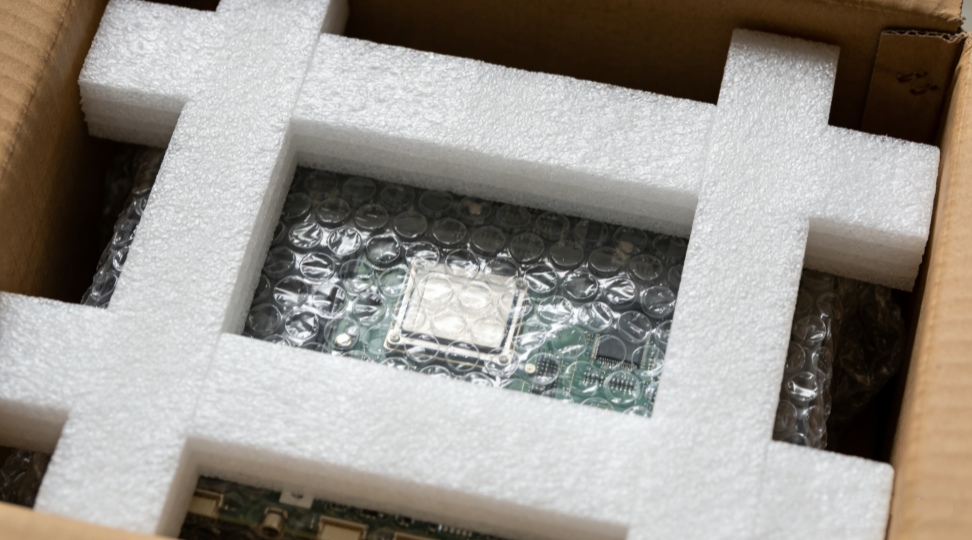
Schaumstoff, Luftpolsterfolie und Papier: Für kleinere oder zerbrechliche Gegenstände eignen sich leichte Füllmaterialien zum Polstern des Transports. Schaumstoffpolster, Wellpappe, Kraftpapier und Luftpolsterfolie absorbieren Stöße aus verschiedenen Richtungen. Luftpolsterfolie wird häufig zum Polstern von Elektronik und Glaswaren verwendet, während zerknülltes Papier oder Formfaserstoff in Kartons gebündelt oder geschichtet werden kann. Diese weichen Polstermaterialien wirken wie Miniatur-Stoßdämpfer und verhindern so Beschädigungen an empfindlicher Fracht.
Spezielles Staumaterial für Pritschenwagen: Auf offenen Anhängern oder Planenaufliegern werden stabile Holzblöcke oder Metallgestelle (sogenannte Ladungssicherung) unter die Ladung gelegt. Sie heben die Ladung einige Zentimeter über den Boden und schaffen so Platz für Gabelstapler oder Kräne. Dadurch wird verhindert, dass die Ladung den Boden berührt und auf der offenen Ladefläche verrutscht.
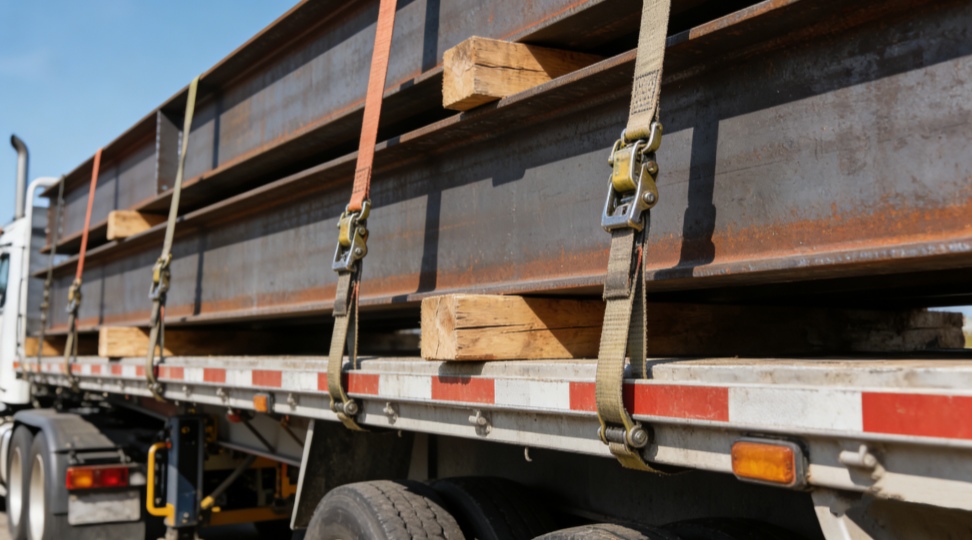
Bei Flachbetttransporten werden häufig Holzunterlagen (siehe Abbildung oben) verwendet, um schwere Ladung anzuheben und Gabelstaplern das Unterfahren zu ermöglichen. Durch das Anheben der Ladung um einige Zentimeter verhindern diese Unterlagen den direkten Kontakt mit dem Anhängerboden und ermöglichen den Zugang zur Ladung von den Seiten. Eine ordnungsgemäße Unterlage gewährleistet die Stabilität während des Transports und verhindert das Verrutschen oder Umkippen schwerer Ladungen auf der offenen Ladefläche.
In Seefrachtcontainern oder LKWs dienen Staumaterialien dazu, Hohlräume zu füllen und die Ladung rundum zu sichern. Das obige Bild zeigt Holzbalken, die eine schwere Spule fixieren. Staumaterialien in Seefrachtcontainern füllen effektiv alle Hohlräume und verhindern ein Verrutschen der Ladung. Selbst kleinste Spalten sind während des Transports gefährlich, daher sollte jeder Zwischenraum gepolstert oder abgedichtet werden. Durch die Verwendung geeigneter Staumaterialien (Holzplanken, Paletten, Luftsäcke usw.) fixieren Spediteure alle Kisten und Kartons und reduzieren das Beschädigungsrisiko erheblich.
Für kleinere Pakete oder empfindliche Güter werden weichere Polstermaterialien wie Luftpolsterfolie, Schaumstoff oder Recyclingpapier verwendet. Diese Materialien polstern die Oberfläche des Produkts und absorbieren Stöße. Beispielsweise kann eine Glasvase mit Luftpolsterfolie oder Luftpolsterfolie umhüllt werden, damit sie sich im Karton nicht bewegen oder zerbrechen kann. So verhindern selbst leichte Polstermaterialien Transportschäden, indem sie wie kleine Stoßdämpfer wirken. Die Wahl des passenden Polstermaterials für die Empfindlichkeit der Ware ist entscheidend, um Rücksendungen oder Verzögerungen zu vermeiden.
Die richtige Staumasse auswählen
Die Auswahl des geeigneten Stauholzes hängt von der Ladung und dem Transportmittel ab. Wichtige Aspekte sind:
Ladungsmerkmale: Schwere oder sperrige Güter (wie Maschinen oder Stahlcoils) benötigen stabiles, festes Staumaterial (Holzklötze oder Metallstreben). Zerbrechliche oder kleine Gegenstände (Elektronik, Glaswaren) benötigen weicheres Füllmaterial wie Schaumstoff oder Luftpolsterfolie.
Transportart: Für Pritschenanhänger werden in der Regel Holzklötze (Pritschenunterlagen) benötigt, um die Ladung anzuheben und zu sichern. Geschlossene Anhänger und Container können leichtere Materialien und Luftkissen verwenden, da die Ladung bereits umschlossen ist.
Füllen Sie alle Lücken aus: Unabhängig vom Material muss jeder Zwischenraum ausgefüllt werden. Schon eine einzige Lücke kann zu Verschiebungen führen. Experten raten daher, alle Hohlräume mit Polstermaterial (Holzbalken, Paletten, Schaumstoff oder Airbags) zu füllen, um die Ladung sicher zu fixieren.
Planung und Kommunikation: Spediteure führen üblicherweise Standard-Stauholz mit (offene Lkw haben oft 6–10 Holzstücke an Bord). Spezielles Stauholz (wie große Luftkissen oder behandeltes Holz) wird jedoch möglicherweise nicht bereitgestellt. Falls Sie spezielles Stauholz benötigen (z. B. zusätzliche Luftkissen oder schädlingsfreies Holz), fordern Sie dieses bitte vor dem Verladen an oder stellen Sie es bereit.
Vorschriften: Viele Länder (und sogar einige Bundesstaaten) regeln die Verwendung von Stauholz, um Schädlinge oder Verunreinigungen zu verhindern. Kalifornien beispielsweise setzt strenge Vorschriften für Stauholz durch, um Schädlingsbefall vorzubeugen; unbehandeltes Holz kann daher verboten sein. Informieren Sie sich vor dem Versand über die geltenden Zoll- und Umweltbestimmungen.
Durch die Berücksichtigung dieser Faktoren – Ladung, Transportart und Einhaltung der Vorschriften – können Verlader die richtigen Stauholzmaterialien auswählen. Eine gute Planung minimiert Schäden und maximiert die Sicherheit für Güter und Transportpersonal.
Häufig gestellte Fragen
F: Was ist Stauholz und warum ist es beim Transport wichtig?
A: Stauholz ist jegliches Material, das zum Stützen und Schützen von Gütern während des Transports verwendet wird. Es verhindert das Verrutschen der Ladung und dämpft Stöße, wodurch Schäden erheblich reduziert werden.
F: Was bedeutet „Stauseitmaterial“ im Schifffahrtswesen?
A: Es bezeichnet lediglich das schützende Füllmaterial in einer Ladung. Als Ladungssicherungsmittel können Holzklötze, Luftkissen, Schaumstoff usw. verwendet werden – alles, was den Raum ausfüllt und die Ladung vor Verrutschen schützt.
F: Worin besteht der Unterschied zwischen Stauholz und Verpackung?
A: Die Verpackung besteht aus Karton, Kiste oder Palette, in der das Produkt verpackt ist. Das Füllmaterial in dieser Verpackung ist Stauholz. Beispielsweise ist eine Kiste die Verpackung, während die darin enthaltenen Holzklötze oder Luftpolsterfolie als Stauholz dienen.
F: Wie funktioniert Stauholz für Pritschenwagen?
A: Bei der Ladungssicherung auf offenen Pritschenaufliegern werden Holzklötze (oder Metallständer) unter die Ladung gelegt. Diese heben die Ladung leicht von der Ladefläche ab, sodass sie von Gabelstaplern oder Kränen bewegt werden kann und den Boden nicht berührt. Der Abstand zwischen den Klötzen verhindert außerdem, dass schwere Gegenstände auf der offenen Ladefläche verrutschen.
F: Was ist Plastikstaumaterial?
A: Kunststoff-Staubmaterial umfasst Produkte wie Kunststoffpaletten oder aufblasbare Stausäcke. Es ist robust und oft wiederverwendbar. Beispielsweise kann ein Vinyl-Stausack, der zwischen Paletten platziert wird, aufgeblasen werden, um diese fest zu fixieren und ein Verrutschen während des Transports zu verhindern.
F: Stellt DR Trans Stauholz zur Verfügung?
A: DR Trans verkauft keine Stauholzprodukte. Wir sind ein Speditions- und Logistikdienstleister. Unsere Experten unterstützen Kunden jedoch bei der Lösung von Transportproblemen, indem sie Sendungen mit optimaler Sicherung und Polsterung konzipieren. Wir koordinieren uns mit den Spediteuren, um die Ladungssicherung durch die richtige Verpackungsstrategie zu gewährleisten und so viele Transportschäden effektiv zu vermeiden.
Abschluss
Stauholz mag wie ein einfaches Verpackungsmaterial erscheinen, ist aber eine wirksame Lösung, um Transportschäden zu vermeiden. Stauholz umfasst verschiedene Materialien – Holzbalken, Airbags, Luftpolsterfolie und mehr –, die zur Sicherung der Ladung verwendet werden. Richtig ausgewählt und platziert, hält Stauholz die Ware während des gesamten Transports sicher und geschützt. Dies vermeidet nicht nur kostspielige Schäden, sondern optimiert auch die Abwicklung und schützt Ausrüstung und Personal.
Bei DR TransUnsere Mission ist es, zuverlässige internationale Transportdienstleistungen anzubieten. Wir arbeiten eng mit unseren Kunden zusammen, um optimale Verfahren für die Ladungssicherung zu implementieren. Obwohl DR Trans selbst kein Stauholz liefert, stellt unsere Expertise sicher, dass jede Sendung mit den richtigen Schutzmaterialien verpackt wird. Durch Beratung zur Auswahl des passenden Stauholzes und zur optimalen Ladeplanung unterstützt DR Trans Unternehmen dabei, weltweit sicher zu versenden, da sie wissen, dass ihre Fracht optimal vor Stößen und Verrutschen geschützt ist.

 IPv6 NETZWERK UNTERSTÜTZT