Der grundlegende Unterschied zwischen Logistik und Distribution besteht darin, dass die Logistik den übergeordneten Rahmen für die Planung, den Transport und die Lagerung von Gütern darstellt, während die Distribution die taktische Umsetzung der Lieferung der richtigen Produkte an die richtigen Bestimmungsorte ist.Viele verwenden die Begriffe synonym, doch die Beherrschung ihrer unterschiedlichen Rollen – und, noch wichtiger, ihrer Integration – ist der Schlüssel zum Aufbau einer widerstandsfähigen, effizienten und kundenorientierten Lieferkette.
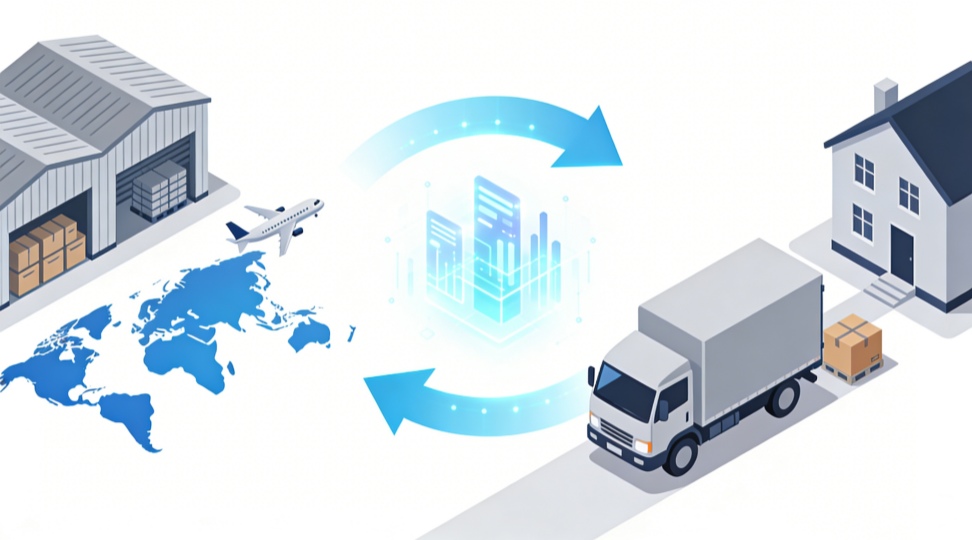
Logistik ist diestrategisches RückgratDie Logistik ist der zentrale Planer Ihrer Lieferkette. Sie umfasst den gesamten Prozess der Planung, Umsetzung und Steuerung des effizienten Warenflusses und der Lagerung von Gütern, Dienstleistungen und zugehörigen Informationen. Betrachten Sie die Logistik als Masterplaner, der sicherstellt, dass alle Puzzleteile kosteneffektiv und zuverlässig zusammenpassen.
Wichtigste Aktivitäten der Logistik:
Transportmanagement:Strategische Auswahl der Transportmittel (Straße, See, Luft, Schiene), Management der Spediteure und Optimierung der Routen sowohl für den Wareneingang (Lieferant zum Lager) als auch für den Warenausgang (Lager zum Kunden).
Lagerhaltung & Bestandsverwaltung:Bestimmung der Lagerorte, Management des Lagerbetriebs und Implementierung von Bestandsstrategien (wie Just-in-Time), um die Lagerbestände an die Nachfrage anzupassen.
Auftragsabwicklung:Gestaltung des Prozesses vom Auftragseingang bis zum Versand, einschließlich Kommissionierung, Verpackung und Vorbereitung der Waren für den Versand.
Reverse-Logistik:Der entscheidende, aber oft übersehene Prozess der Abwicklung von Retouren, Reparaturen, Recycling und Entsorgung – ein wesentlicher Bestandteil für Kundenzufriedenheit und Nachhaltigkeit.
Verteilung ist dieletzter, kundenorientierter ArmSie befasst sich mit der Lieferkette und konzentriert sich insbesondere darauf, sicherzustellen, dass Produkte effizient vom Produktions- oder Lagerort zum Endverbraucher gelangen, sei es ein Einzelhandelsgeschäft oder ein Direktverbraucher. Bei der Distribution geht es um Marktreichweite und -verfügbarkeit.
Wichtigste Vertriebsaktivitäten:
Kanalmanagement:Auswahl und Steuerung der Vertriebswege (z. B. Direktvertrieb an Endverbraucher, Großhändler, Einzelhändler, Online-Marktplätze).
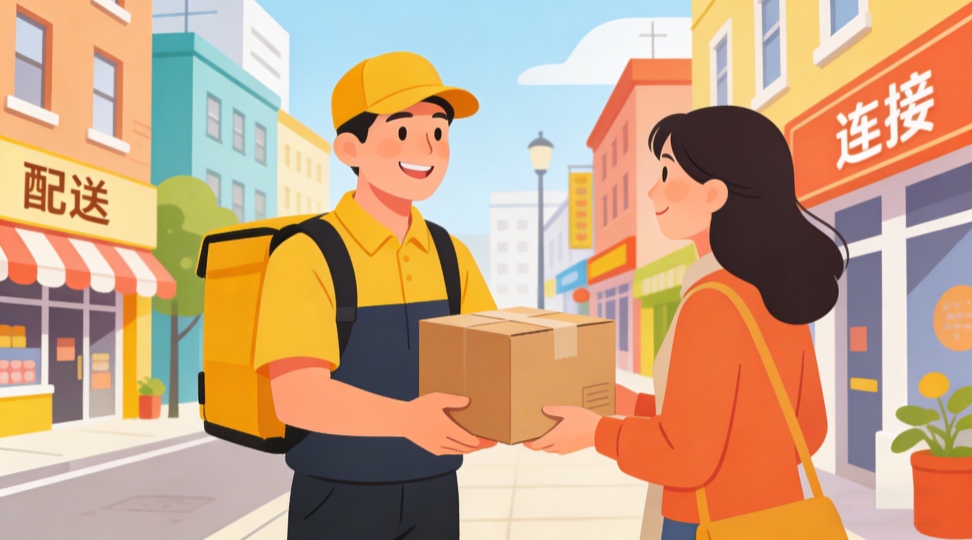
Zustellung auf der letzten Meile:Die Ausführung des letzten, wichtigsten (und oft teuersten) Teils der Reise bis zur Haustür des Kunden.
Netzwerkdesign:Strategische Platzierung von Distributionszentren, Fulfillment-Hubs und Einzelhandelsstandorten zur Maximierung der Liefergeschwindigkeit und Minimierung der Lieferkosten.
Kundenservice & Support:Bereitstellung von Sendungsverfolgung, Bearbeitung von Lieferanfragen und Management des Kundenerlebnisses nach der Zustellung.
Diese Tabelle verdeutlicht ihre jeweiligen Schwerpunkte:
| Besonderheit | Logistik | Verteilung |
|---|---|---|
| Kernfokus | Effizienz, Kostenkontrolle und Zuverlässigkeitdes gesamten Ablaufs. | Verfügbarkeit, Geschwindigkeit und Kundenerlebnisder endgültigen Lieferung. |
| Hauptziel | Waren von Punkt A nach Punkt B transportierenim richtigen Zustand, zu den richtigen Kosten. | Hol dir dasrichtiges Produktzumrichtiger Kundeamrichtige Zeit. |
| Umfang | Breit und intern.Steuert den gesamten Bewegungszyklus, einschließlich eingehender und rückwärtiger Warenströme. | Schmaler und außenliegend.Der Fokus liegt auf dem ausgehenden Datenfluss zu den Endpunkten (Kunden/Kanälen). |
| Schlüsselkennzahl | Gesamtkosten, Quote fehlerfreier Aufträge und Lagerumschlag. | Pünktliche und vollständige Lieferung (OTIF), Auftragsgenauigkeit und Kosten pro Paket auf der letzten Meile. |
Die Behandlung von Logistik und Distribution als getrennte Bereiche führt zu Ineffizienz. Ein echter Wettbewerbsvorteil entsteht durch deren nahtlose Integration.
Mangelhafte Logistik lähmt den Vertrieb:Ungenaue Bestandsdaten führen zu Warenengpässen, wodurch Vertriebskanäle zusammenbrechen und Umsätze verloren gehen.
Mangelhafte Verteilung verschwendet logistische Anstrengungen:Ein sorgfältig geplantes Logistiknetzwerk ist nutzlos, wenn der Partner auf der letzten Meile ständig Pakete beschädigt oder Lieferfenster verpasst und damit Ihrer Marke schadet.

Der Synergieeffekt:Eine integrierte Planung ermöglichtNachfragegesteuerte AuftragsabwicklungLogistikdaten (wie z. B. Echtzeit-Bestände in allen Lagern) fließen in Vertriebsentscheidungen ein (z. B. welches Fulfillment-Center eine Bestellung für die schnellste und günstigste Lieferung versenden soll) und verbessern so die Kundenzufriedenheit erheblich.
Implementieren Sie eine Cloud-basierteTransportmanagementsystem (TMS)oder eine einheitlicheSupply Chain Management (SCM) PlattformDiese Systeme überwinden Datensilos, indem sie Logistik- und Vertriebsteams Einblick in dieselben Echtzeitdaten ermöglichen: Lagerbestände, Sendungen im Transit und Auftragsstatus. Dies ist die Grundlage für fortschrittliche Strategien wie die verteilte Lagerhaltung.
Wechseln Sie von einem zentralisierten Lagermodell zu einemNetzwerk regionaler LogistikzentrenDiese Vertriebsstrategie wird durch intelligente Logistikplanung ermöglicht. Indem Lagerbestände näher an Kundengruppen mit hoher Kundendichte platziert werden, werden die Entfernung, die Kosten und die Zeit für die letzte Meile drastisch reduziert – und ein Logistikkostenfaktor wird so zu einem Wettbewerbsvorteil im Vertrieb.
Ein spezialisierterDrittanbieter-Logistik (3PL)Ein leistungsstarker 3PL-Anbieter kann Ihre Leistungsfähigkeit deutlich steigern. Er agiert als Erweiterung Ihres Teams und integriert Logistikexpertise (Lagerhaltung, Frachtabwicklung) mit der Auslieferung (Auftragsabwicklung, Zustellung auf der letzten Meile). So können Sie schnell skalieren, ohne hohe Investitionen tätigen zu müssen. Bei der Auswahl eines 3PL-Anbieters sollten Sie dessen Technologieintegrationsfähigkeit ebenso kritisch bewerten wie die Lagerstandorte.
Gehen Sie über die einfache Datenerfassung hinaus. Nutzen Sie Analysetools, um:
Nachfrage prognostizieren:Saisonale Nachfragespitzen prognostizieren, um Lagerbestände (Logistik) in optimalen Verteilzentren vorzupositionieren.
Routen dynamisch optimieren:Nutzen Sie KI-gestützte Tools, um Lieferrouten in Echtzeit an Verkehr, Wetter und Kundenverfügbarkeit anzupassen und so die Kosten der letzten Meile drastisch zu senken.
Retourenanalyse (Rückwärtslogistik):Identifizieren Sie häufige Gründe für Rücksendungen, um Produkt- oder Verpackungsprobleme zu beheben und zukünftige Vertriebszyklen zu verbessern.
Logistik und Distribution sind keine austauschbaren Begriffe – sie sind voneinander abhängige Funktionen.Die Logistik ist der strategische Rahmen, der eine effiziente Distribution ermöglicht, während die Distribution die taktische Umsetzung darstellt, die das Markenversprechen gegenüber dem Kunden einlöst.
Unternehmen, die im modernen Markt erfolgreich sind, betrachten diese Funktionen nicht länger isoliert. Durch die Integration von Logistikplanung und Distributionsabwicklung mithilfe von Technologie, Daten und strategischen Partnerschaften verwandeln Sie Ihre Lieferkette von einem reinen Kostenfaktor in eine verlässliche Quelle für … Wettbewerbsvorteil, Kundenloyalität und nachhaltiges Wachstum.
Sind Sie bereit, Ihre Lieferkette von einem Kostenfaktor in einen Wachstumsmotor zu verwandeln?Die nahtlose Integration von Logistik und Distribution ist der Schlüssel.Kontaktieren Sie noch heute unsere Experten für eine kostenlose, individuelle Lieferkettenanalyse.und erfahren Sie, wie Sie Ihre Abläufe im Hinblick auf Geschwindigkeit, Effizienz und unübertroffene Kundenzufriedenheit optimieren können.

 IPv6 NETZWERK UNTERSTÜTZT